If you want a Charlottesville neighborhood that feels deeply rooted and distinctly urban, Starr Hill deserves a closer look. This is a small area with a big story, where African American history, walkable city living, and easy access to downtown and UVA all come together. If you are exploring where to live, invest your time, or simply get to know Charlottesville better, Starr Hill offers a lot to understand in a compact footprint. Let’s dive in.
Starr Hill at a Glance
Starr Hill sits between the University of Virginia and Downtown Charlottesville, with Preston Avenue to the north, Ridge and McIntire Road to the east, the CSX Railroad to the south, and the Norfolk Southern Railroad to the west. Its location places you close to major city destinations while still giving the neighborhood its own identity.
It is also remarkably small. According to the City of Charlottesville, Starr Hill covers just 0.09 square miles and has about 164 residents, making it the city’s smallest and least populous neighborhood.
That small size helps explain its urban feel. The city’s neighborhood fact sheet reports a walk score of 97, a bike score of 83, and a bus score of 45, all of which point to a place where you can accomplish a lot without relying heavily on a car.
Why Starr Hill Feels Different
Starr Hill does not read like a large residential district made up of block after block of homes. Current land use is weighted toward nonresidential uses, with 55% commercial and industrial, 26% government and nonprofit, 16% single-family residential, and 3% multifamily residential.
That mix shapes daily life. You are in a neighborhood where civic spaces, local businesses, and nearby destinations play a large role in the experience of living there.
The housing picture is also distinct. The city reports that about 86% of Starr Hill is renter-occupied, which reflects the neighborhood’s compact size, in-town setting, and proximity to major activity centers.
A Neighborhood With Deep Historical Roots
One of the most important things to know about Starr Hill is its place in Charlottesville’s African American history. The City of Charlottesville says the neighborhood got its name from educated and wealthy Black families who lived there, and UVA’s historic neighborhood resource describes Starr Hill as an enduring African American neighborhood where Black physicians, journalists, entrepreneurs, ministers, and educators have lived since the early 1900s.
That legacy is central to the neighborhood’s identity today. Starr Hill is not just close to important parts of the city. It is itself an important part of Charlottesville’s story.
The area also connects to the history of Vinegar Hill, a majority-Black community that was largely razed during urban renewal in the 1960s. The city and New Hill Development Corporation later created a Starr Hill Community Vision Plan that incorporated the former Vinegar Hill area and emphasized connectivity, equity, and Black prosperity.
That planning work was community-driven. New Hill says the process engaged more than 200 residents, merchants, service providers, and members of the Black business community, giving the plan a strong local foundation.
Cultural Landmarks Near Starr Hill
The Jefferson School African American Heritage Center is one of the most meaningful nearby places tied to this history. Located at 233 4th Street NW, the building was Charlottesville’s first high school for Black students from 1926 to 1951.
Today, the center preserves local Black heritage through exhibits, events, guided tours, and educational programming. For anyone considering Starr Hill, this is more than a nearby amenity. It is part of the neighborhood’s living cultural landscape.
The broader area also shows how Charlottesville has reused and reimagined historic spaces. The neighborhood fact sheet notes historic buildings and more recently developed hotels along West Main Street, while places like the Jefferson School City Center and Dairy Market reflect the city’s pattern of adapting older structures for present-day use.
What Daily Life Looks Like
Because Starr Hill is so compact, convenience plays a major role in daily life. If you value being able to move through your day with less driving and more flexibility, this neighborhood’s location can be a real advantage.
Transit access supports that lifestyle. The city’s neighborhood materials show both CAT and UVA bus routes serving the area, and the Downtown Mall’s free trolley also connects downtown with UVA.
That means your routines can feel more connected. Depending on where you are headed, you may be able to combine walking, biking, bus service, and trolley access for errands, meals, events, and commuting.
Parks and Recreation Nearby
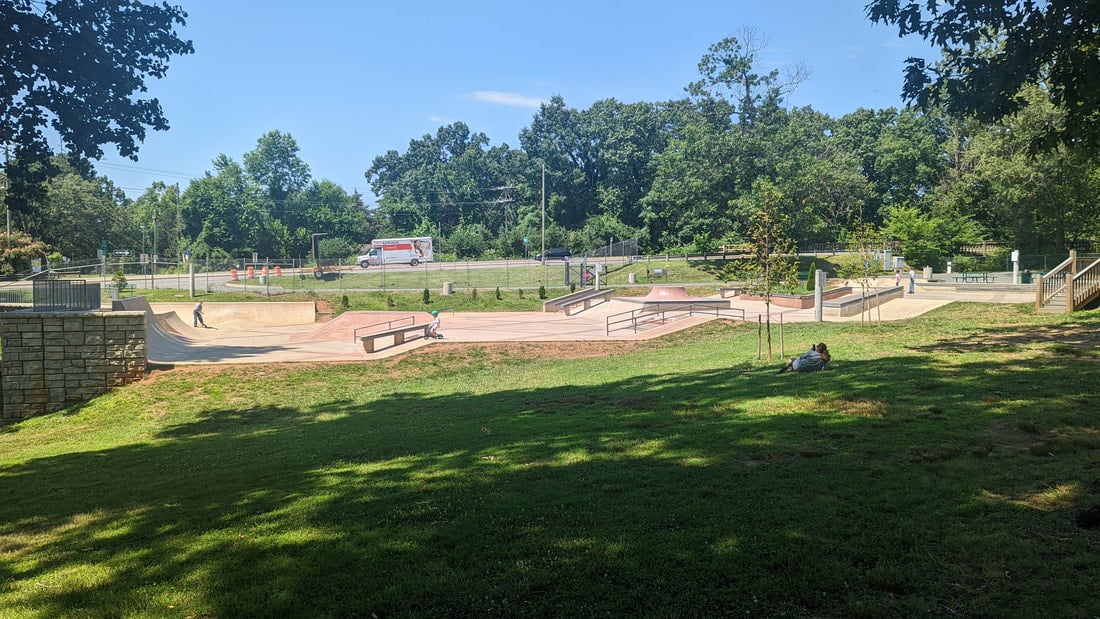
Small neighborhoods often rely on a few well-placed public spaces, and Starr Hill is no exception. Starr Hill Park is a 0.4-acre pocket park at 7th Street NW and Elsom Street, offering a simple neighborhood green space within the urban fabric.
For indoor recreation, Carver Recreation Center at 233 4th Street NW adds a wider range of options. The center offers fitness opportunities, group classes, open gym time, basketball and volleyball courts, a gymnastics studio, and other indoor recreation amenities.
Taken together, these spaces add balance to an in-town setting. You have access to both neighborhood-scale outdoor space and structured indoor recreation close by.
Dining and Social Spots Close to Home
One of Starr Hill’s practical benefits is how close it sits to some of Charlottesville’s well-known food and gathering spots. Dairy Market, at 946 Grady Avenue, is a major nearby destination housed in the historic Monticello Dairy Building.
Visit Charlottesville lists a range of merchants there, including Basta Pasta, Dino’s Wood-fired Pizza & Grill, Iam Thai, Maizal Street Food, Milkman’s Bar & Coffee Co., and Starr Hill Brewery. That kind of variety can make it easy to meet friends, grab a casual meal, or try something different without going far.
For many buyers and renters, that matters. A neighborhood’s appeal is not only about what sits inside its boundaries, but also about what you can reach quickly as part of everyday life.
Easy Access to Downtown Charlottesville
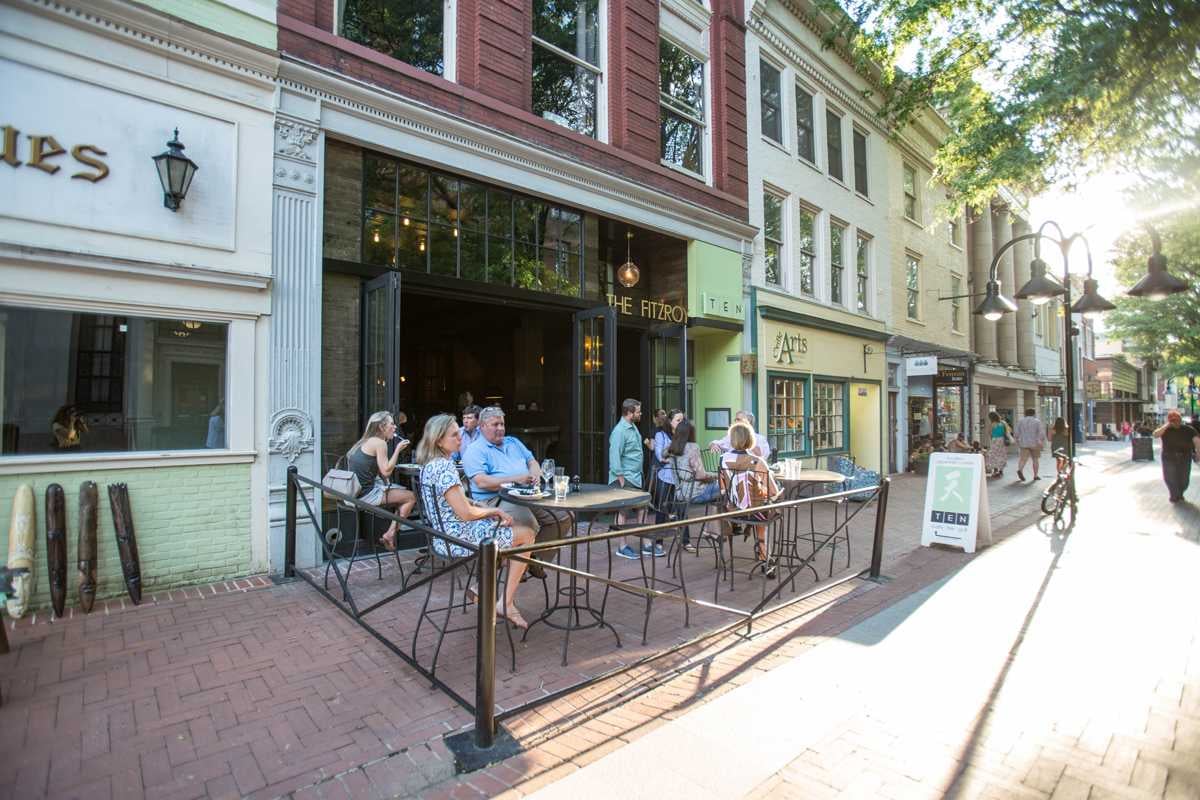
Living near Starr Hill also means easy access to the Downtown Mall. Visit Charlottesville describes the Downtown Mall as a pedestrian district with more than 120 shops and 30 restaurants, all set within historic buildings.
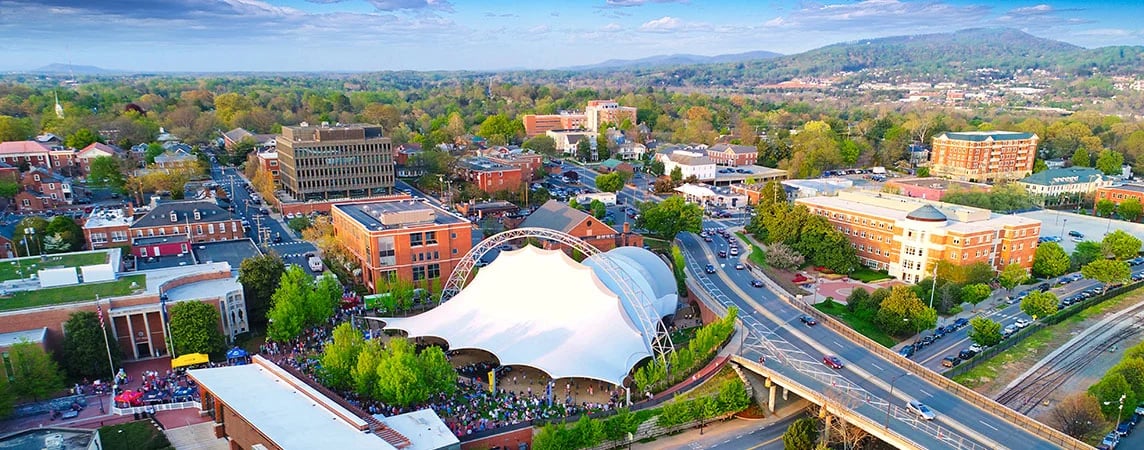
The Mall also brings entertainment into the mix. Nearby venues include Ting Pavilion, the city’s major outdoor live performance venue, and The Jefferson Theater, a historic venue dating to 1912.
If you enjoy being close to dining, shopping, and live events, this location makes that lifestyle feel realistic rather than occasional. You are near the center of activity without having to live in the middle of a larger commercial district.
Architectural Character and Urban Texture
Starr Hill’s architectural story is not defined by one single style. Instead, it reflects layers of history, reuse, and reinvestment.
That is part of what gives the area texture. Historic buildings, civic spaces, adaptive reuse projects, and newer development along nearby corridors all contribute to a neighborhood feel that is urban, practical, and tied to Charlottesville’s ongoing evolution.
For buyers who like places with visible character, that can be appealing. Starr Hill offers a setting where the built environment tells a story, even in a very small area.
Who Starr Hill May Appeal To
Starr Hill can be a strong fit if you want an in-town location with quick access to UVA, downtown, transit, and local cultural destinations. It may also appeal if you value walkability and prefer a neighborhood experience shaped as much by nearby amenities as by residential density.
At the same time, it helps to go in with clear expectations. This is not a large neighborhood with extensive residential inventory or a quiet suburban layout. It is compact, mixed in use, and closely tied to the rhythm of the city around it.
That is why local context matters so much. In a neighborhood this small, even subtle differences in location, housing type, and nearby uses can shape your experience in meaningful ways.
Why Local Guidance Matters Here
When you are evaluating a place like Starr Hill, broad market advice only gets you so far. What really helps is neighborhood-level knowledge about housing options, surrounding amenities, and how this location fits into your day-to-day priorities.
That is especially true in Charlottesville, where each in-town neighborhood has its own scale, history, and housing mix. A small area like Starr Hill can offer real advantages, but it works best when you understand how those details align with your goals.
If you are thinking about buying or selling in Charlottesville and want clear, locally grounded guidance, Nest Realty- Charlottesville, VA brings deep neighborhood knowledge, thoughtful advocacy, and a client-first approach to every move.
FAQs
What is Starr Hill’s location in Charlottesville?
- Starr Hill is located between the University of Virginia and Downtown Charlottesville, bounded by Preston Avenue, Ridge and McIntire Road, the CSX Railroad, and the Norfolk Southern Railroad.
What is daily life like in Starr Hill, Charlottesville?
- Starr Hill has a compact, urban feel with strong walkability, access to CAT and UVA bus routes, and close proximity to downtown, UVA, parks, recreation, dining, and cultural destinations.
What is Starr Hill known for historically in Charlottesville?
- Starr Hill is known for its deep African American historical roots and its connection to educated and prominent Black families, as well as its relationship to the history of nearby Vinegar Hill.
What attractions are near Starr Hill in Charlottesville?
- Nearby attractions include the Jefferson School African American Heritage Center, Dairy Market, the Downtown Mall, Ting Pavilion, The Jefferson Theater, Starr Hill Park, and Carver Recreation Center.
Is Starr Hill a large residential neighborhood in Charlottesville?
- No. According to the City of Charlottesville, Starr Hill is the city’s smallest and least populous neighborhood, with a small residential footprint and a land-use mix that includes significant commercial, industrial, government, and nonprofit uses.