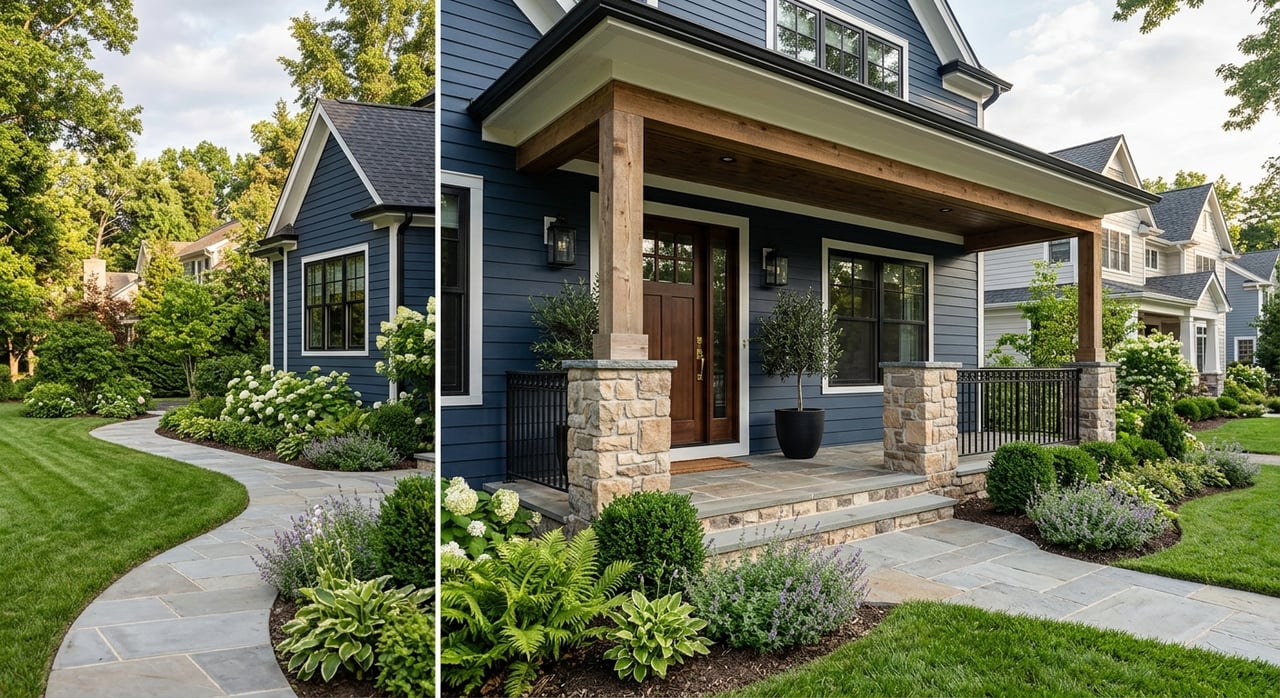
Wondering whether Spring Creek is the right place to buy, or whether a specific home there is truly worth it? That is a smart question to ask before you fall for a floor plan, golf views, or a polished model home. If you are considering a purchase in this gated Louisa County community, you need to evaluate more than the house itself. You also need to look at the lifestyle, monthly and annual costs, commute realities, and how the property will work for your day-to-day life. Let’s dive in.
Start With the Big Picture
Spring Creek is a gated golf-course community in Zion Crossroads, in southwest Louisa County and is a planned residential area with single-family homes and amenities such as a community pool, fitness center, meeting rooms, tennis and basketball courts, a playground, and The Spring Creek Golf Club. Spring Creek also highlights 24-hour security, walk and bike trails, pickleball, bocce, and a clubhouse.
That package can be very appealing if you want amenities and a more structured neighborhood setting. At the same time, the right evaluation starts by asking whether you want the full community experience, not just a home behind the gates.
Understand What the Location Really Offers
One of Spring Creek’s biggest selling points is convenience. The community is in a growth area with public water and sewer, natural gas, high-speed internet, and direct I-64 access. Spring Creek also notes that shopping, everyday essentials, and healthcare are nearby in the surrounding business area.
For many buyers, that means you can get a newer-home lifestyle with useful services close at hand. Spring Creek’s materials also position the community about 20 to 25 minutes from Charlottesville and about 40 minutes from the west end of Richmond or Short Pump, which gives you regional flexibility.
Think of Spring Creek as a Corridor Community
Spring Creek is not just a neighborhood tucked away from everything. Zion Crossroads is a major gateway into the county, and VDOT says the area is dealing with continued population growth and related traffic, safety, and operational challenges along U.S. 15 and U.S. 250.
That does not make the location a negative. It simply means you should evaluate convenience and traffic together. A home that feels well-placed on a map may feel different during your actual morning or evening routine.
Test the Commute Before You Commit
If you expect to drive into Charlottesville often, a quick online estimate is not enough. You should drive the route from the specific street or lot at the times you would normally travel. That is especially important in a growth corridor where traffic conditions can shift during peak hours.
For some buyers, Spring Creek offers a strong balance of access and amenities. For others, especially if you want a more walkable daily routine or frequent in-town spontaneity, the area may feel more car-dependent than expected.
What to Notice on a Test Drive
When you visit, pay attention to more than the drive time. Notice how easy it feels to get in and out of the community, how traffic moves near major intersections, and whether the route matches your stress tolerance for daily driving.
A test drive can tell you things that listing photos never will. It can also help you compare Spring Creek honestly against neighborhoods closer to Charlottesville.
Compare Home Types Carefully
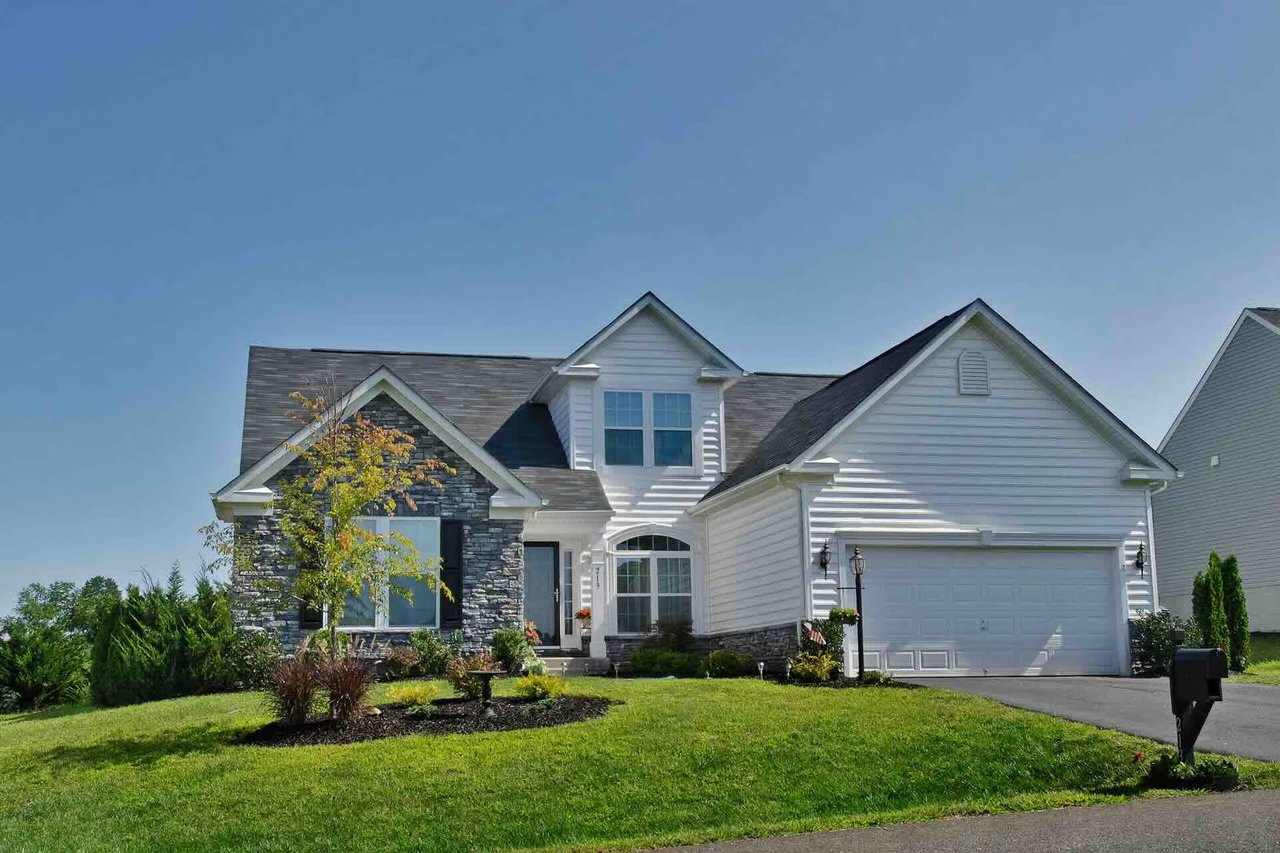
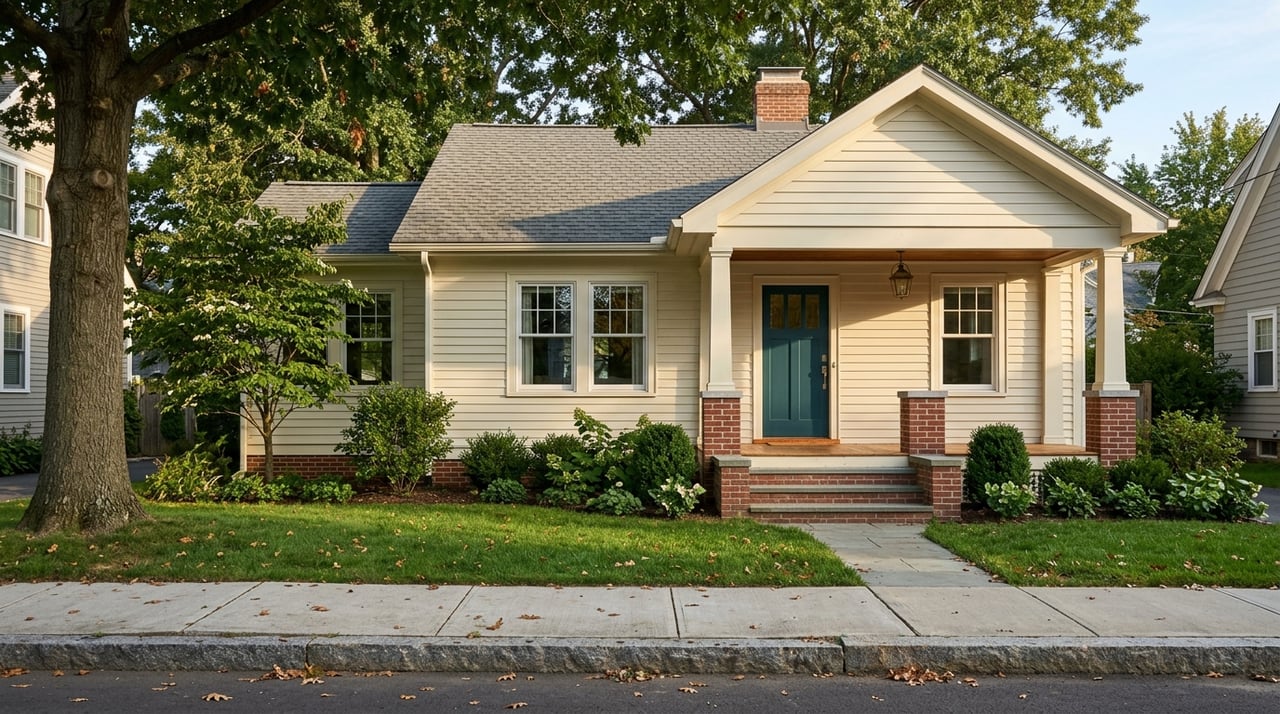
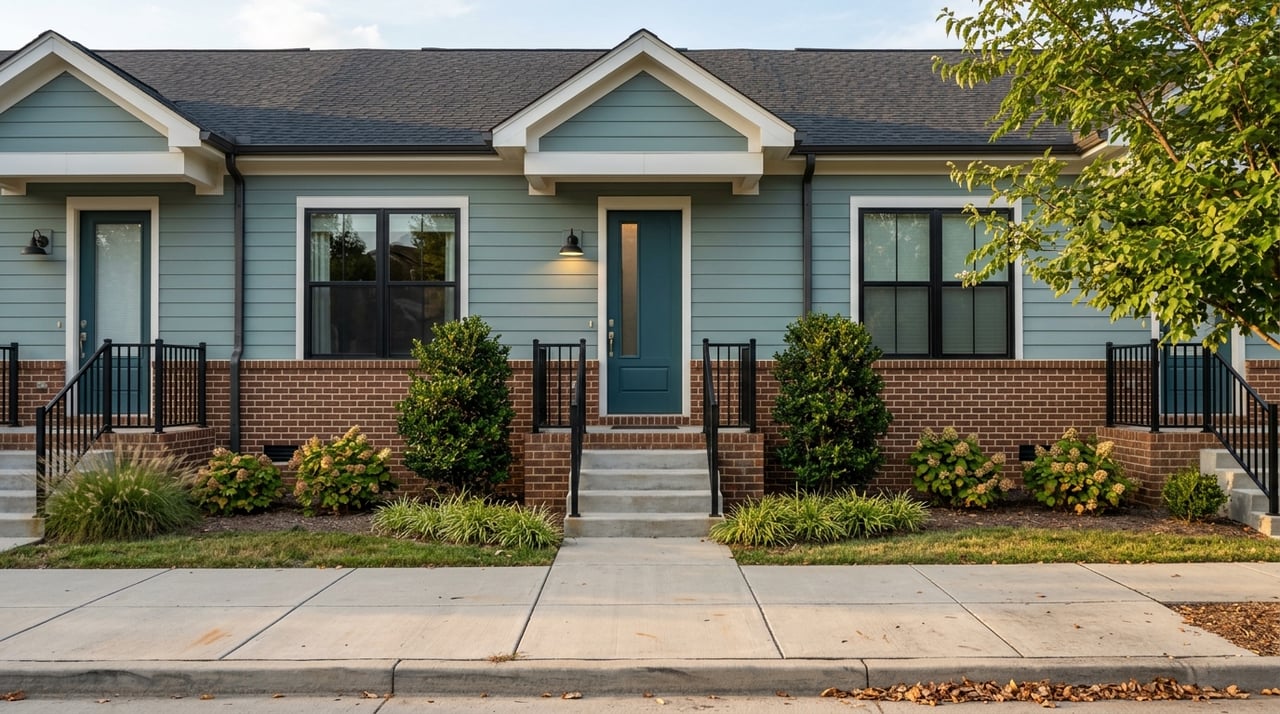
Buyers in Spring Creek should compare home styles based on function, not just finishes. Current builder information points to two broad product types: single-family homes and villas. Greenwood Homes shows a single-family model called The Hickory with three bedrooms on the main level and a full finished basement, while Cornerstone Homes features furnished villa models in a lower-maintenance neighborhood.
Single-Family vs. Villa
A single-family home may give you more space, more storage, and a different yard or privacy experience. A villa may offer main-level living and less yard work and exterior upkeep, which can matter if you want a simpler maintenance routine.
Instead of focusing only on square footage, compare how each option handles the realities of daily life. Think about stairs, guest space, storage, outdoor living, and how much work you want your home to require.
Questions to Ask Yourself
Before you get attached to a home, consider:
- Do you want main-level living?
- Will a basement be useful, or just extra space to maintain?
- How much yard do you actually want?
- Do you prefer a full-time residence feel or a lower-maintenance lock-and-leave setup?
- How important are privacy and outdoor space?
These questions help you move past surface appeal and focus on fit.
Look Closely at HOA and Club Details
One of the biggest mistakes buyers can make in an amenity-rich community is assuming everything is included. In Spring Creek, ownership, HOA coverage, and golf club access are not the same thing.
Spring Creek Golf Club publishes several membership categories, including Full Golf, Resident Golf for primary residents inside the gates, Young Executive, and Weekday. The club says full-privilege memberships include access to the 18-hole course, practice greens, driving range, pro shop, restaurant, and social events. Oak and Fire is open to the public.
Get the Details in Writing
Because the club publishes separate membership tiers, you should confirm exactly what comes with the property and what requires a separate membership decision or fee. Do not rely on assumptions or broad verbal summaries.
Ask for clear written answers about:
- What the HOA covers
- What is paid separately
- Whether golf membership is optional, required, or discounted
- Any initiation fees or transfer costs
- Special assessments or capital contributions
- Reserve-related charges
- Gate procedures for owners, guests, contractors, and deliveries
This step can protect you from surprises after closing.
Evaluate the Full Cost of Ownership
Your monthly payment is only part of the picture. In Spring Creek, you should evaluate the home as a package of purchase price, taxes, HOA costs, possible club fees, utilities, insurance, and long-term maintenance.
Louisa County’s current real estate tax rate is $0.72 per $100 of assessed value, and real estate taxes are billed annually and due December 5. The county also notes that new construction is treated differently in the assessment process, so buyers of new homes should not assume the first tax bill will look like a typical resale pattern.
Why New Construction Needs Extra Review
If you are buying new construction, ask how the current assessment was determined and what may change after completion. A low early tax figure may not reflect your longer-term ownership costs.
You should also ask what items are standard versus upgraded, what warranty coverage comes with the home, and what exclusions apply. Those details can affect both your upfront budget and your expectations after move-in.
Pay Attention to Future Growth
Spring Creek sits in an area that Louisa County identifies for growth. That can support infrastructure and services, but it can also mean continued nearby development, road work, and construction activity over time.
VDOT’s corridor study makes clear that Zion Crossroads is under pressure from growth and transportation demands. So when you evaluate a home, do not stop at the lot line. Ask what future phases, road changes, or nearby construction could affect your experience.
When Spring Creek May Be a Strong Fit
Spring Creek may stand out if you want a gated community, newer housing options, golf access, and a broad amenity package in Louisa County. It can also make sense if regional access to Charlottesville and Richmond matters to you, but you do not need to be in the middle of an urban, highly walkable setting.
Buyers who value security, community amenities, and a more resort-style feel are often the ones most likely to see the upside here. The key is making sure those benefits match how you actually live.
When You Should Slow Down
You may want to take a harder look if your top priorities are a very short Charlottesville commute, highly walkable daily errands, or avoiding the added complexity of HOA and club decisions. None of those factors make Spring Creek wrong. They just mean your evaluation needs to be especially honest.
The right purchase is not the one with the best brochure. It is the one that fits your budget, your schedule, and your lifestyle with the fewest surprises.
If you are weighing a home purchase in Spring Creek, having a local advocate can help you compare the home, the community, and the surrounding Louisa County context with more clarity. The team at Nest Realty- Charlottesville, VA helps buyers make informed decisions with practical guidance rooted in the Central Virginia market.
FAQs
What should you evaluate before buying a home in Spring Creek?
- You should evaluate the home itself, HOA coverage, possible golf membership costs, commute patterns, tax expectations, maintenance needs, and any future development around the property.
What types of homes are available in Spring Creek?
- Current community materials show single-family homes and villas, with options that may emphasize features like main-level living, finished basement space, or lower-maintenance living.
What amenities are available in Spring Creek, Louisa County?
- Louisa County and Spring Creek describe amenities that include a pool, fitness center, clubhouse, meeting rooms, tennis, basketball, pickleball, bocce, trails, a playground, and golf-related facilities.
What should buyers ask about Spring Creek golf membership?
- Buyers should ask whether membership is optional or separate, which category fits the property owner, what access is included, and whether there are initiation, transfer, or other added fees.
How important is the commute from Spring Creek to Charlottesville?
- It is very important if you expect regular travel, because Spring Creek is in a growing corridor where traffic on U.S. 15 and U.S. 250 can affect daily drive times and convenience.
How are property taxes handled for a Spring Creek home in Louisa County?
- Louisa County bills real estate taxes annually, with payment due December 5, and the current tax rate is $0.72 per $100 of assessed value. New construction may be assessed differently, so buyers should review expected tax treatment carefully.